
How Small Businesses Can Build a Successful Digital Marketing Strategy with a Limited Budget
Digital marketing has become one of the most practical ways for small businesses to reach customers and grow their brand. Whether a business operates from a local shop, provides professional services, sells products online, or works from home, having an online presence can make a significant difference.
However, many small business owners believe digital marketing is expensive. They may think they need a large advertising budget, professional equipment, a big marketing team, or expensive software to compete online. In reality, effective digital marketing is not always about spending more money. It is about choosing the right strategy and using available resources carefully.
A small business can begin with free or affordable marketing methods such as SEO, social media, content creation, local search optimization, email marketing, and customer reviews. Paid advertising can also be introduced gradually when there is enough data to understand what works.
In this guide, we will explore practical ways small businesses can build a digital marketing strategy with a limited budget while creating long-term online growth.
What Is a Digital Marketing Strategy?
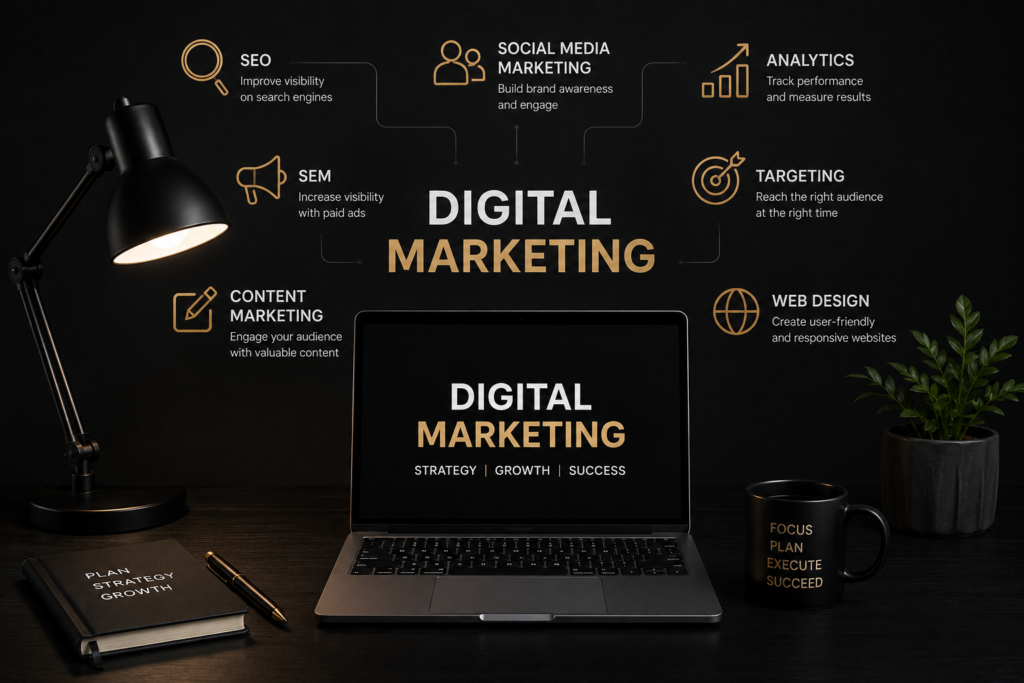
A digital marketing strategy is a planned method of promoting a business through online channels. It helps a business decide what it wants to achieve, who it wants to reach, where those customers can be found, and what marketing activities should be used.
A strategy may include:
- Search Engine Optimization
- Social media marketing
- Content marketing
- Local SEO
- Email marketing
- Video marketing
- Paid advertising
- Website optimization
- Online reviews
- Messaging platforms
A small business does not need to use every method. The best strategy is one that matches the business, audience, goals, and available resources.
1. Set a Clear Marketing Goal
Before spending money or creating content, determine what you want your marketing to achieve.
For example, your goal could be to:
- Increase website traffic
- Generate customer inquiries
- Receive more phone calls
- Increase product sales
- Get more bookings
- Build brand awareness
- Attract local customers
- Grow an email audience
A goal gives your marketing direction.
Instead of saying, “I want to grow my business online,” create a measurable target such as:
“I want to generate 25 new customer inquiries through online marketing within three months.”
A specific objective makes it easier to select marketing channels and evaluate your progress.
2. Know Your Ideal Customer
Understanding your audience is one of the most important parts of digital marketing.
You should know who is most likely to purchase your product or service. Think about their age, location, interests, problems, purchasing habits, and online behavior.
For example, a local fitness trainer may target:
Young adults and working professionals in a specific area who want affordable personal training and fitness guidance.
Once the audience is clearly identified, marketing becomes more focused.
You can create content around the questions they ask, the problems they experience, and the solutions your business provides.
This prevents you from wasting money trying to reach people who are unlikely to become customers.
3. Create a Simple Business Website
Your website can serve as the central point of your online presence.
A small business does not necessarily need a complicated website. A simple, professional, mobile-friendly website can be enough when it clearly explains your business.
Your website should communicate:
- What your business does
- What products or services you provide
- Who you serve
- Why customers should choose you
- How customers can contact you
Useful pages may include:
- Home
- About
- Services
- Products
- Portfolio
- Blog
- Testimonials
- Contact
Make sure important information such as your phone number, email address, location, and contact options is easy to find.
A website should guide visitors toward an action, such as calling, messaging, booking, purchasing, or requesting more information.
4. Use SEO to Attract Organic Visitors
Search Engine Optimization, commonly known as SEO, can be particularly useful for businesses with limited marketing budgets.
SEO helps your website become more visible when people search for relevant information, products, or services.
For example, a local web designer could target phrases such as:
- Web designer in Malappuram
- Website design services in Tirur
- Affordable website development
- Business website designer near me
Instead of targeting only broad keywords, small businesses can focus on specific phrases that closely match their services and locations.
Basic SEO activities include:
- Finding relevant keywords
- Creating useful website content
- Optimizing page titles
- Writing helpful descriptions
- Improving website speed
- Using descriptive URLs
- Adding internal links
- Optimizing images
- Making pages mobile-friendly
- Publishing informative blog posts
SEO usually requires patience, but the traffic generated through organic search can become a valuable long-term asset.
5. Take Advantage of Local SEO
Local SEO is especially important for businesses that serve customers in a particular location.
A restaurant, salon, clinic, tuition center, photographer, freelancer, or repair service can benefit from appearing in local search results.
Create and maintain an accurate Google Business Profile.
Include:
- Business name
- Correct location
- Phone number
- Website
- Opening hours
- Business category
- Photos
- Services
- Business description
Customer reviews are also important. Encourage genuine customers to share their experiences.
When potential customers see positive reviews and accurate business information, they may feel more confident about contacting the company.
6. Select the Right Social Media Platform
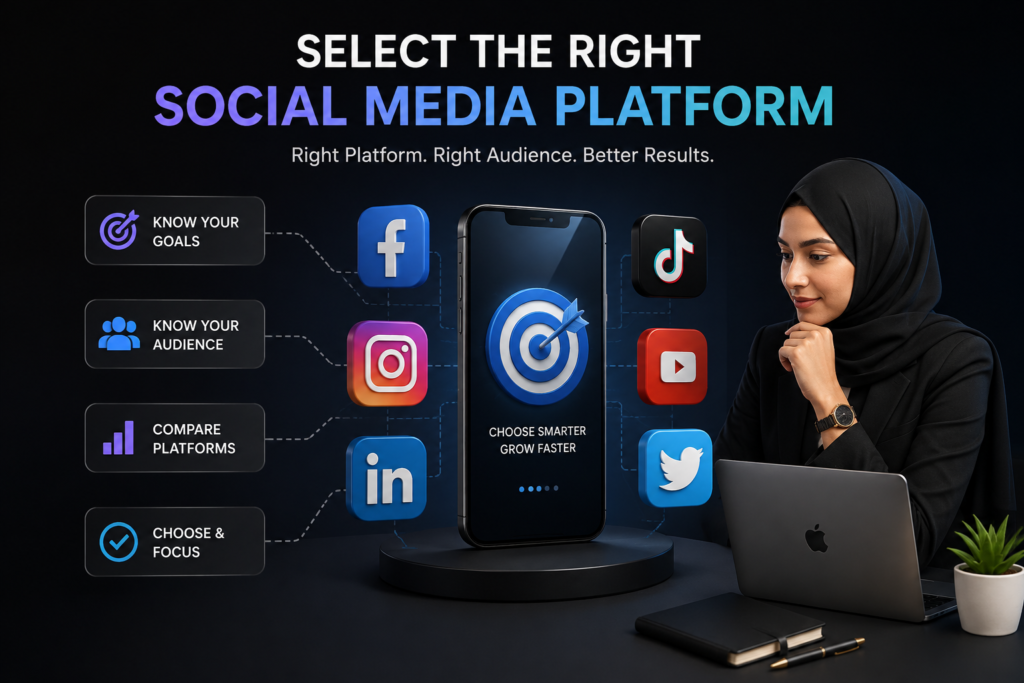
Small businesses often make the mistake of trying to maintain every social media account.
You do not need to be everywhere.
Choose platforms based on where your target customers are active.
For example:
Instagram can be useful for fashion, beauty, food, photography, and creative businesses.
Facebook can be useful for local businesses and community-based marketing.
LinkedIn can be effective for professional services and B2B businesses.
YouTube can work well for educational, demonstration, and tutorial-based content.
Start with one or two platforms and build consistency before expanding.
7. Create Valuable Content

Content marketing allows businesses to communicate with potential customers without relying entirely on advertisements.
You can create content that answers common customer questions or provides useful information.
Examples include:
- How-to guides
- Tips
- Tutorials
- FAQs
- Product demonstrations
- Customer stories
- Industry information
- Short videos
- Infographics
- Case studies
For example, a small bakery could create content about:
“How to Choose the Right Cake for a Birthday Party.”
A digital marketing freelancer could publish:
“5 SEO Mistakes Small Businesses Should Avoid.”
Useful content can demonstrate expertise while helping potential customers understand your products or services.
8. Make More Content From One Idea
Creating fresh content every day can be difficult when you are running a small business.
A better approach is to repurpose existing content.
Suppose you create one detailed blog post. You can turn that article into:
- Social media posts
- Short videos
- Instagram carousel slides
- Email content
- FAQ answers
- LinkedIn posts
This allows one piece of content to work across several channels.
Content repurposing saves time and helps maintain consistency without requiring a large marketing team.
9. Use Short-Form Video
Video content can help small businesses communicate with their audience in an engaging way.
You do not need expensive cameras or studio equipment. A smartphone, good lighting, and clear audio can be enough for many types of content.
You could create videos showing:
- Product features
- Service processes
- Quick tips
- Customer testimonials
- Behind-the-scenes activities
- Frequently asked questions
- Before-and-after results
Keep videos focused on one useful idea.
The objective should not simply be to create viral content. The content should attract people who may genuinely be interested in your business.
10. Build Customer Trust
People want to know whether a business is reliable before spending money.
Small businesses can build trust through:
- Genuine customer reviews
- Testimonials
- Portfolio work
- Case studies
- Helpful educational content
- Clear business information
- Professional communication
- Consistent branding
Show potential customers what your business can actually do.
Instead of repeatedly saying that your service is “the best,” demonstrate your expertise through useful content and real examples.
Trust can turn a visitor into an inquiry and eventually into a loyal customer.
11. Use WhatsApp and Email Marketing
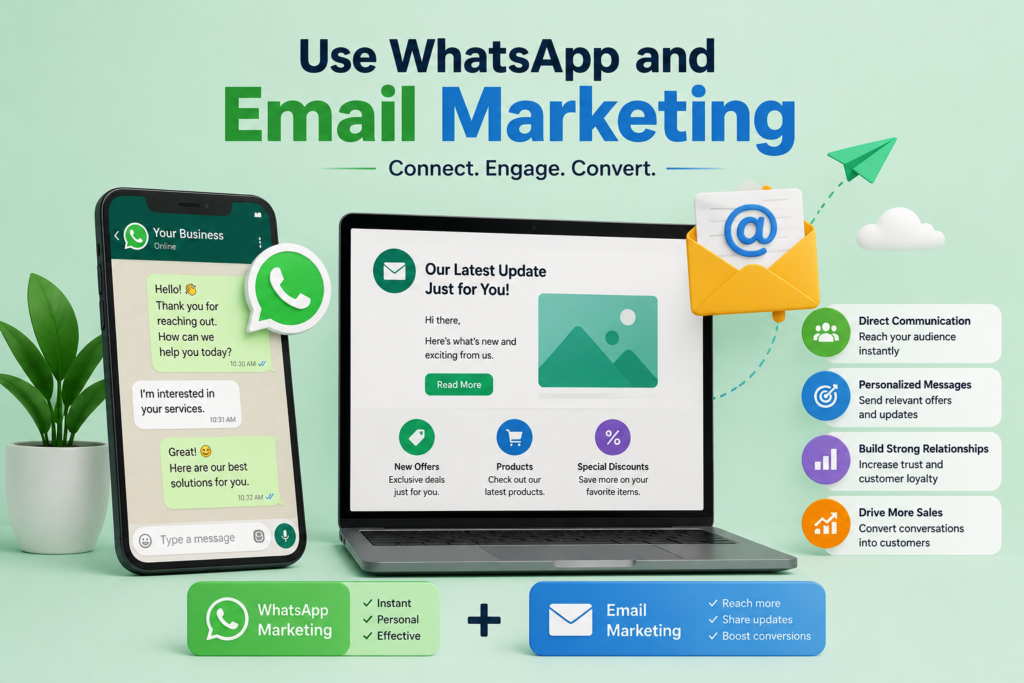
Direct communication can be very useful for small businesses.
WhatsApp can be used for:
- Customer questions
- Appointment bookings
- Product inquiries
- Order updates
- Service information
- Follow-ups
Email marketing can also help businesses maintain relationships with customers.
You can send:
- Newsletters
- New product announcements
- Helpful tips
- Special offers
- Business updates
- Educational information
Always communicate responsibly and avoid sending unnecessary promotional messages too frequently.
12. Test Paid Advertising With a Small Budget
Paid advertising can provide faster visibility than organic marketing, but it should be approached carefully.
Platforms such as Google Ads and Meta Ads allow businesses to target specific audiences.
Instead of spending a large amount immediately, start with a small campaign.
Test different:
- Audiences
- Headlines
- Images
- Videos
- Offers
- Landing pages
Then compare the results.
If one campaign generates more valuable inquiries or sales, you can gradually increase the investment.
Remember that the goal is not simply to generate clicks. The real objective is to generate meaningful business results.
13. Measure What Matters
Digital marketing becomes more effective when you track your results.
Useful measurements include:
- Website visitors
- Leads
- Phone calls
- Messages
- Sales
- Search traffic
- Conversion rate
- Advertising costs
- Cost per lead
- Social media engagement
Do not judge your marketing only by follower numbers or likes.
A post with fewer likes may generate several customers, while a popular post may generate no sales.
Always ask:
“Did this activity help my business?”
14. Use Free and Affordable Tools
Limited budgets do not mean you have to work without tools.
Many useful digital marketing tools offer free or affordable options.
Examples include:
- Google Search Console
- Google Analytics
- Google Business Profile
- Google Trends
- Google Keyword Planner
- Canva
- Meta Business Suite
- Social media scheduling tools
Before paying for expensive software, check whether a free tool can handle the task you need.
As your business grows, you can invest in more advanced solutions.
15. Create a Simple Monthly Plan
Consistency is easier when you have a basic content schedule.
For example:
Week 1
Publish one educational blog and two social media posts.
Week 2
Create short videos and share a customer testimonial.
Week 3
Publish another useful article and send an email update.
Week 4
Review your marketing performance and plan the following month.
You do not need to publish content every day.
A smaller amount of high-quality content published consistently can be more effective than producing a large amount of random content.
Common Mistakes Small Businesses Should Avoid
Small businesses should be careful about wasting limited resources.
Some common mistakes include:
Spending Without a Goal
Do not pay for advertising simply because competitors are advertising.
Targeting Everyone
A broad audience can waste both money and effort.
Ignoring the Website
Social media should not be your only online presence.
Buying Followers
Purchased followers rarely provide genuine business value.
Posting Random Content
Every piece of content should have a reason.
Ignoring Customer Reviews
Reviews can strongly influence purchasing decisions.
Expecting Immediate SEO Results
SEO usually requires time, consistency, and ongoing improvement.
A Practical Low-Budget Strategy
Imagine a small clothing store wants to improve its online presence.
It could begin by creating a simple website and Google Business Profile. Next, it could create an Instagram account and publish product photos, styling tips, customer reviews, and short videos.
The business could also write simple blog articles targeting local and product-related searches.
After building some organic visibility, the store could test a small social media advertising campaign promoting its most popular products.
Every month, the owner could review website traffic, inquiries, sales, and advertising performance.
This approach allows the business to learn what works before increasing its marketing investment.
If you want any Digital Marketing Service for your Business, Contact Me
Final Thoughts
A limited budget does not prevent a small business from succeeding with digital marketing. The key is to focus on the strategies that provide the greatest value instead of trying to use every available platform.
Start with a clear goal, understand your audience, build a useful website, improve your SEO, strengthen your local presence, create valuable content, and maintain genuine communication with customers. Once you understand which channels produce results, you can gradually increase your investment.
Digital marketing is not simply a competition between businesses with large and small budgets. A business that understands its customers and uses its resources intelligently can achieve strong results without spending excessively.
Start small, measure your progress, learn from your results, and improve consistently. That is how a limited digital marketing budget can become a powerful growth opportunity for a small business.